
Falls are a serious risk as we age. Here are tips to help reduce the chance of having a fall. You can do a free, online Falls Checkup to understand your own risks and get personalized advice.
September is Falls Prevention Awareness Month. It’s a good time to focus on what you can do to avoid having a fall. Awareness matters because 1 in 4 older adults has a fall every year. Most broken bones in older adults happen because of a fall. But “many falls are preventable,” says the National Council on Aging.
Injuries from a fall can make it harder to keep your independence. When a fall results in injury, some people need to be hospitalized or move into long-term care. Some people remain at home, but need more support for activities of daily living.
Steps to Prevent Falls

The good news, though, is that you can boost your safety and your confidence with some basic steps. Here are suggestions from the National Council on Aging and the National Institute on Aging.
- Try balance and strength training exercises, or enroll in an exercise class. Balance and muscle strength make you less likely to fall. Exercise can combat age-related muscle mass. It can also strengthen bones, reducing the risk of a broken bone.
- Talk to your healthcare provider about any side effects from your medications. Some medications may cause dizziness or affect your balance.
- Get your vision and hearing checked annually and follow through on recommendations. “Even small changes in sight and hearing are linked to an increased risk for falls,” explains the National Institute on Aging.
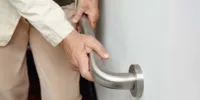
- Keep your home safe – remove clutter, throw rugs, loose carpeting, and tripping hazards. Make sure your home has good lighting, grab bars in the bathroom, and secure handrails along stairs. You can learn more about home safety and accessibility in the Age Well blog.
- Know yourself and pay attention when you’re in motion. If needed, stand up slowly to avoid dizziness or lightheadedness. It’s not uncommon to have a brief drop in blood pressure when you stand; this is called orthostatic hypotension.
- Use caution when walking on snow or ice—or avoid it altogether if you do not feel safe.
- Clean up spills and avoid walking on wet floors.
- If you have a cane or walker, be sure to use it for added stability.
- Wear nonskid, rubber-soled, low-heeled shoes. Don’t walk on stairs or floors in socks or in shoes and slippers with smooth soles.
- Avoid or limit alcohol, which can make you more prone to falls.
Balance Problems
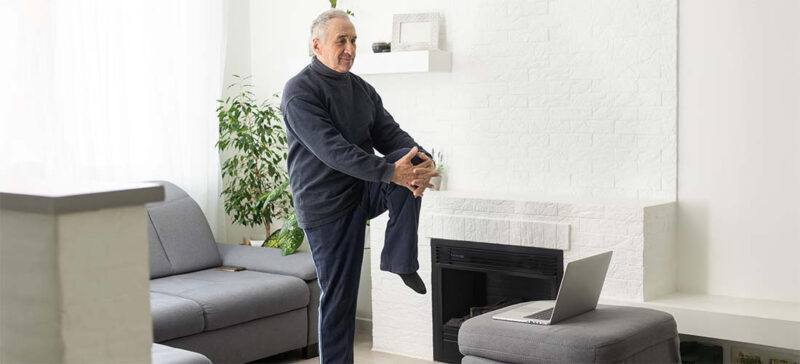
Balance problems are not uncommon for older adults, says the National Institute on Aging. Feeling unsteady, lightheaded, dizzy, or faint would point to a balance problem. If you have concerns, talk with your healthcare provider to help pin down the cause. Medical conditions, medications, and inner ear problems all can lead to balance problems. Your provider can evaluate what’s happening and offer solutions that can help you stay steady and safe.
Stay Active
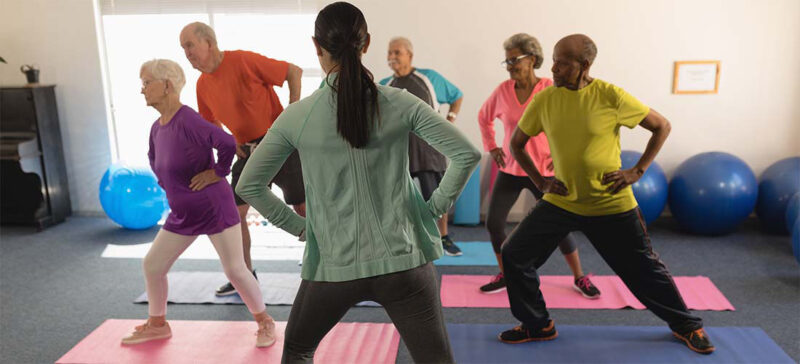
Adults who are concerned about falling may feel they should stay home and avoid activity. This is not advised, though. Explains the National Council on Aging, “Performing physical activities will actually help you stay independent, as your strength and range of motion benefit from remaining active.” Learn more about the types of exercises that can help you maintain strength and balance to prevent a fall.
Online Tools
The National Council on Aging offers a Falls Checkup you can do online by answering some simple questions. Try it out to understand your own risk and check out more fall prevention tips.
The CDC offers a Home Safety Checklist to help you review and correct hazards in your home.
Avoiding falls is a great way to take charge of healthy aging. You can take the time to review home safety, work with your healthcare provider, check your own strength and balance, and focus on what helps you stay safe. Falls can be prevented, and you can tackle the risks.